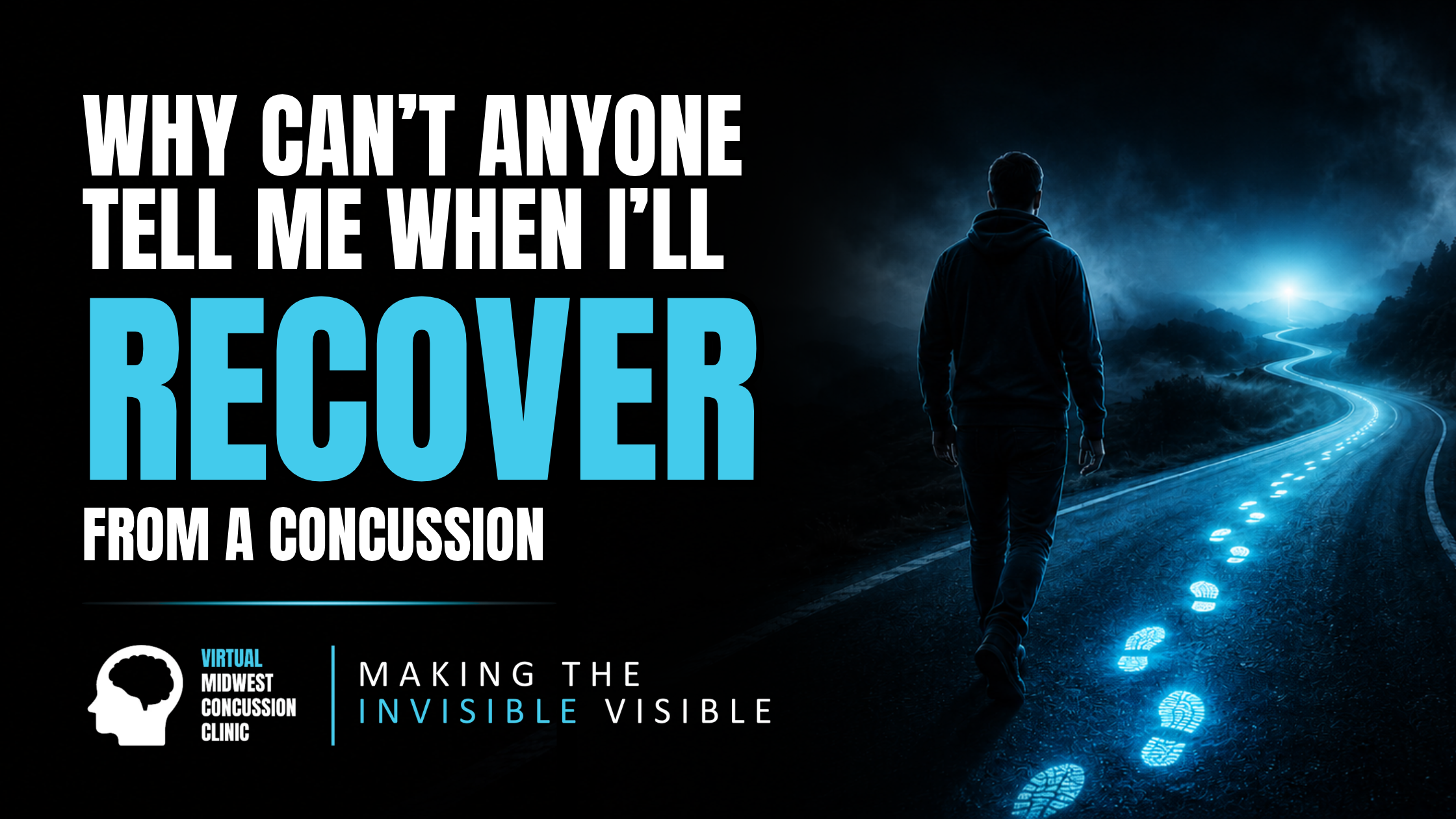
Why Can’t Anyone Tell Me When I’ll Recover From a Concussion?
One of the first questions people ask after a concussion is:
“How long is this going to take?”
It’s also one of the hardest questions for any concussion specialist to answer honestly.
Unlike a broken bone or a routine surgical recovery, concussion healing doesn’t follow a predictable schedule. There isn’t a calendar that tells us exactly when symptoms will disappear or when you’ll feel like yourself again.
That uncertainty can be incredibly frustrating.
Patients want answers.
Families want answers.
Employers, coaches, teachers, and insurance companies all want answers.
The reality is that every concussion heals differently.
Every Brain Injury Is Different
One of the phrases I use often is:
Once you’ve seen one concussion, you’ve seen one concussion.
No two brain injuries are exactly alike.
Recovery is influenced by dozens of factors, including:
- Previous concussion history
- Sleep quality
- Stress levels
- Vision and vestibular function
- Hormonal influences
- Overall health
- Activity demands
- Support systems
- Mental health
- Life responsibilities
Even the same person can experience two completely different recoveries after separate concussions.
That’s why predicting an exact timeline simply isn’t possible.
Why Recovery Timelines Create So Much Anxiety
The hardest part of concussion recovery often isn’t the symptoms themselves.
It’s not knowing when they’ll end.
Humans naturally want certainty.
If someone could guarantee you’ll recover in four weeks, most people could mentally prepare for that challenge.
But uncertainty creates fear.
Questions begin to spiral:
- Am I getting worse?
- Why am I still having symptoms?
- Will I ever feel normal again?
Those thoughts can become overwhelming if we aren’t careful.
The Danger of Comparing Your Recovery to Someone Else’s
Comparison is one of the biggest traps during concussion recovery.
You hear stories like:
“I was better in three days.”
“My cousin recovered in two weeks.”
“This treatment fixed me overnight.”
Or the opposite:
“I’ve been dealing with this for years.”
Social media amplifies these stories because people naturally share the extremes.
The problem?
None of those stories are your story.
Someone else’s timeline cannot predict yours.
Your recovery is unique because your brain injury is unique.
Shift the Question
Instead of asking:
“When will I recover?”
Try asking:
“What can I do today to improve?”
Small improvements add up.
Can you tolerate five more minutes of activity?
Can you walk a little farther?
Can you recover from a setback faster?
Can you spend more time with your family?
These are meaningful signs of progress—even if your symptoms haven’t completely disappeared.
Control the Controllables
One of the most helpful mindset shifts during recovery is focusing on what you can control.
That includes:
- Consistent sleep
- Proper hydration
- Good nutrition
- Appropriate pacing
- Following your treatment plan
- Managing stress
- Staying physically active within your tolerance
You can’t control exactly when your brain heals.
You can control how consistently you support that healing.
Consistency builds confidence.
Progress Over Perfection
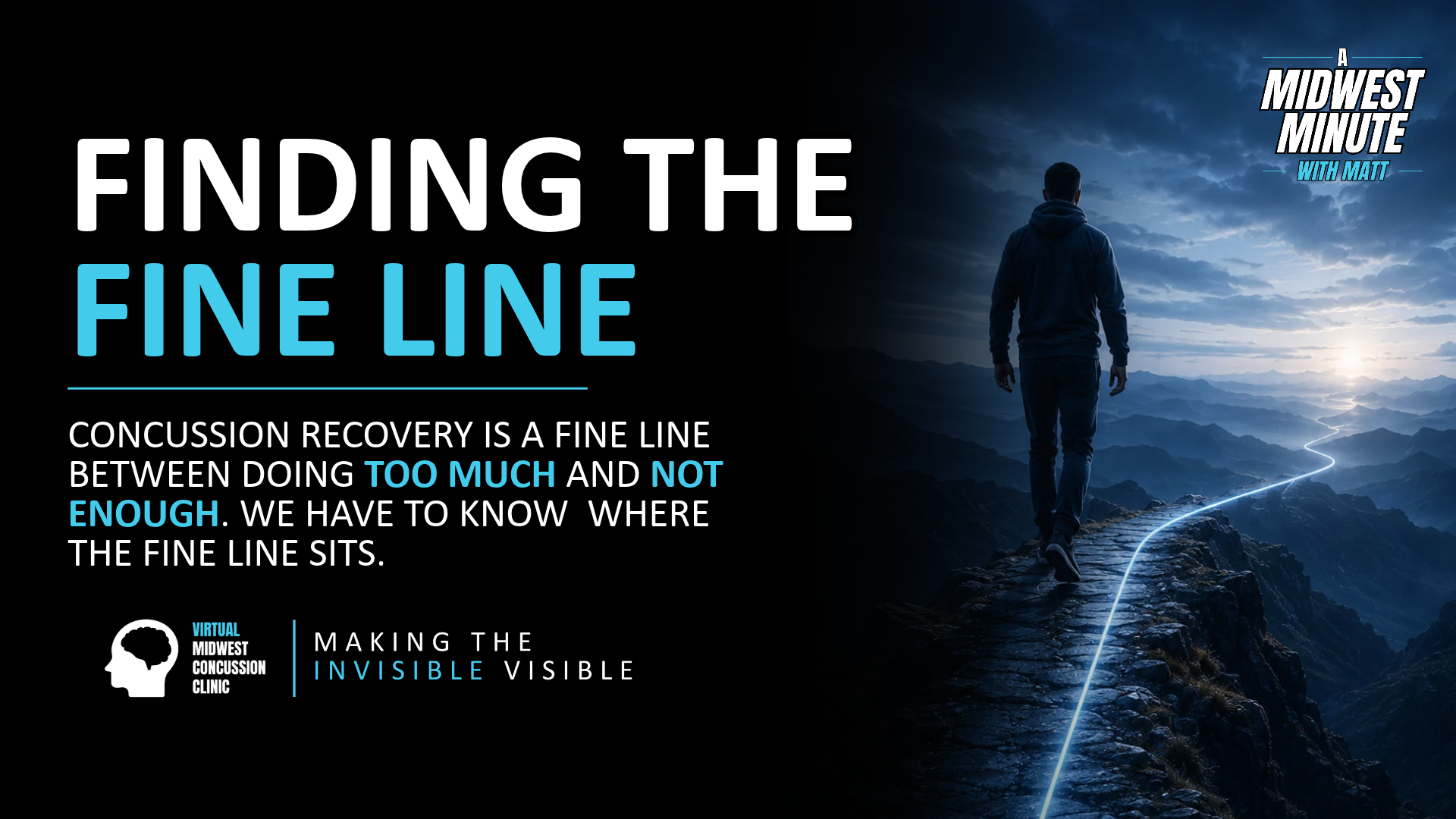
Concussion recovery is rarely a straight line.
Some days you’ll feel better.
Some days symptoms will flare up.
That doesn’t mean you’ve started over.
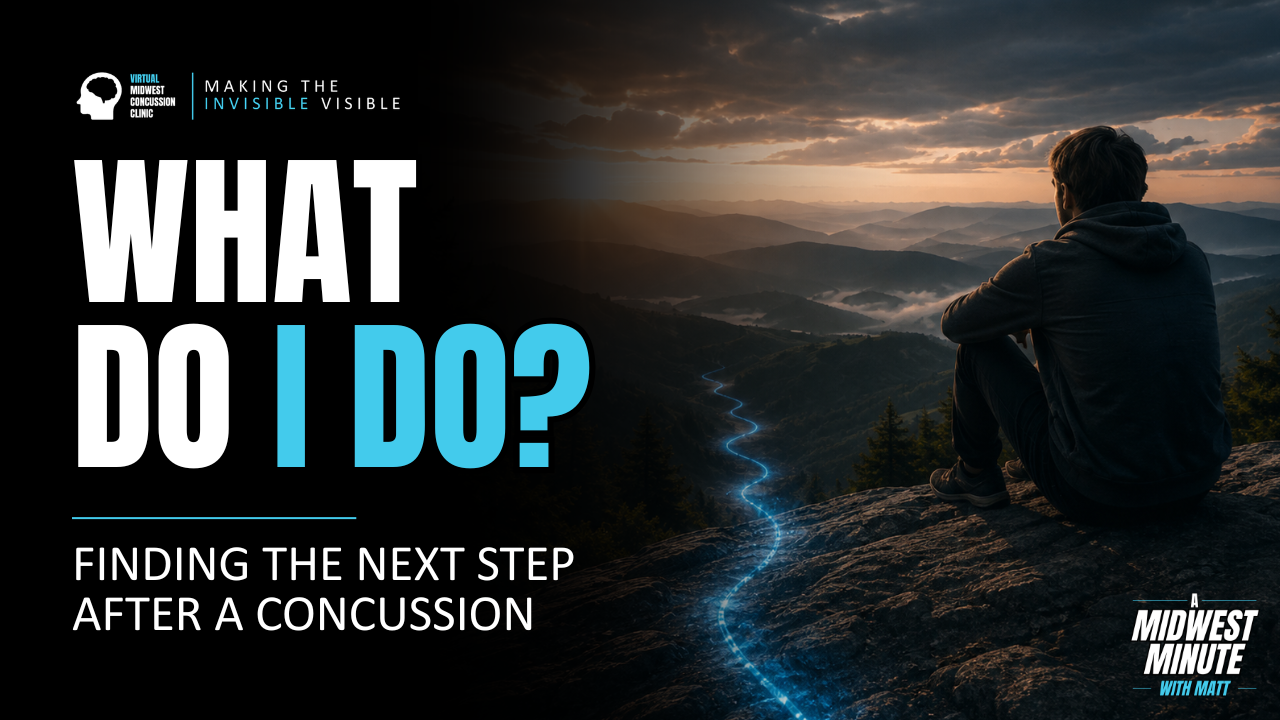
Recovery often looks more like climbing a mountain than walking a straight road.
You may step backward before climbing even higher.
That’s normal.
The goal isn’t perfection.
The goal is progress.
Final Thoughts
If you’re recovering from a concussion and wondering why no one can tell you exactly when you’ll feel better, you’re asking the same question nearly every patient asks.
The honest answer is that no one can predict your exact timeline.
But that doesn’t mean you aren’t healing.
Keep focusing on consistency.
Keep measuring your own progress.
And remember:
Your recovery deserves patience.
It deserves hope.
It deserves understanding.
Most importantly, it deserves to be measured against where you were yesterday—not where someone else is today.
Need Help Navigating Your Recovery?
If you’re feeling stuck, overwhelmed, or simply looking for guidance through your concussion recovery, the Midwest Concussion Clinic is here to help.
Our individualized virtual concussion evaluations and rehabilitation programs are designed to help you understand your symptoms, build a personalized recovery plan, and move forward with confidence.
Schedule your evaluation today at mwconcussion.com.